
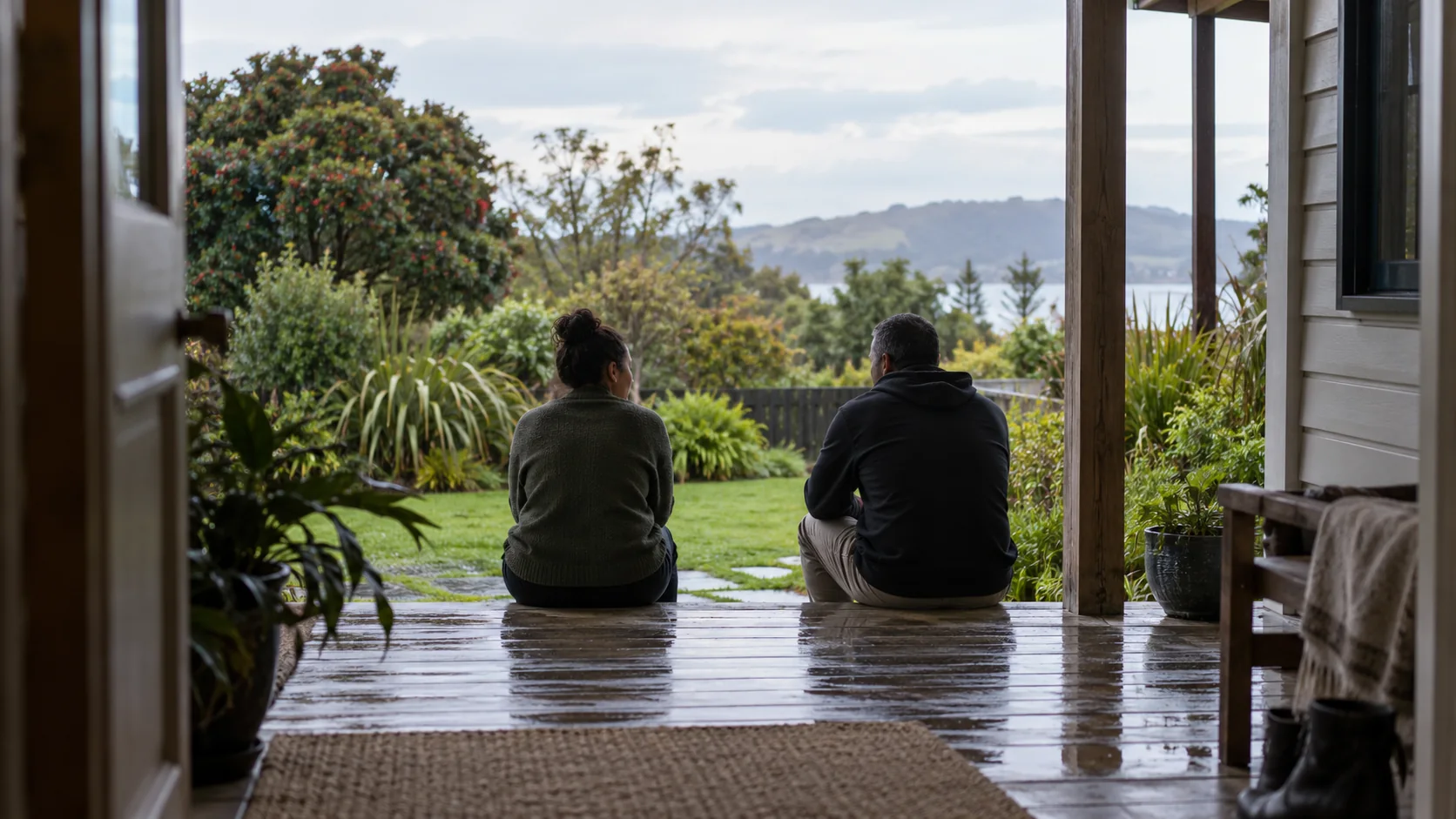
Family Relationships: Warning Signs and Safety
Arguments happen in families. Fear of someone’s reaction, restricted access to money or pressure to cut off friends are different. Those behaviours can signal an unsafe relationship even without physical violence.
In Aotearoa New Zealand, family violence can occur between partners, former partners, relatives, flatmates and people in close caring relationships. It may involve psychological, physical, sexual or financial abuse.
When does a relationship problem become a warning sign?
What happens when someone says no? In a respectful relationship, disagreement does not cost either person their privacy, friendships or safety. When refusal brings threats, humiliation or surveillance, the issue is control rather than ordinary conflict.

One difficult conversation does not establish abuse. Repeated intimidation and coercive control are serious; so is a single sexual assault, death threat or episode of strangulation. Do not wait for repeated incidents before seeking help.
Common signs of unhealthy or abusive relationships
Control disguised as care
A partner might demand passwords, check messages, track your location or dictate what you wear and whom you meet. They may call it love or concern. The difference is whether you can refuse without punishment.
Isolation from friends, whānau and support networks
A person may disparage your friends, start arguments before whānau gatherings or restrict transport. With fewer trusted people to turn to, getting practical help and an outside perspective becomes harder.
Emotional and psychological abuse
Insults, humiliation, intimidation and persistent blame can erode confidence. Threats against you, children, pets or the person making the threat may be used to force compliance. You might find yourself watching their mood, hiding ordinary decisions or apologising to prevent an outburst. Psychological harm leaves no necessary visible injury.
Financial and economic abuse
Taking wages, restricting bank access, creating debt in someone else’s name or stopping them from working or studying are forms of financial abuse. These restrictions can make childcare, housing and leaving an unsafe home harder to arrange.
Physical, sexual and technology-facilitated harm
Pushing, hitting, restraining, stalking, damaging property, threats involving weapons and sexual activity without consent require serious attention. Marriage or a long relationship never removes the need for consent. Repeated digital harassment and account monitoring can extend control beyond the home. Strangulation is a medical emergency risk even without visible marks; seek urgent medical care.
Escalation around separation or major life changes
Pregnancy, separation or attempts to regain independence may coincide with escalating threats. Stalking, threats to kill, weapons and previous strangulation call for specialist safety advice. Confrontation or an unplanned departure may increase danger.
How to distinguish an unhealthy dynamic from coercive control
Grief, money worries and parenting disagreements can strain a relationship without making it abusive. The crucial distinction is whether each person can speak freely and act independently. Coercive control uses fear, threats, monitoring or dependence to limit those choices.
- Disagreement: Can either person disagree without intimidation or retaliation?
- Boundaries: Is a request for privacy, personal time or sexual consent respected?
- Independence: Can each person see friends, access money and make everyday decisions?
- Accountability: Does harmful behaviour stop with meaningful, sustained change, or recur after apologies and promises?
- Safety: Does someone feel compelled to appease the other to avoid harm?
These questions are not a diagnostic test. The person using abuse is responsible for it. Where violence or intimidation is present, joint counselling may be unsafe; a family violence specialist can discuss alternatives.
Emotional, physical and social consequences
Mental health and sense of self
Ongoing fear can affect sleep, confidence and mental health. Anxiety, depression, shame, trauma symptoms or hypervigilance may develop; some people instead feel numb or confused. These effects vary and are not proof of abuse on their own. Self-harm or suicidal thoughts warrant prompt professional support.
Physical health and everyday functioning
Assault can cause injuries and persistent pain. Stress may also contribute to headaches, fatigue, disrupted sleep and difficulty concentrating. A GP or nurse can help even when no injury is visible; after sexual violence or strangulation, seek appropriate urgent care.
Work, finances, education and housing
Monitoring and transport restrictions can disrupt work, education and caregiving. Debt and isolation make housing, childcare and travel harder to secure. Someone may stay because they fear losing income, accommodation, immigration security or contact with children. Staying does not mean they consent to the harm.
How family violence can affect children and whānau
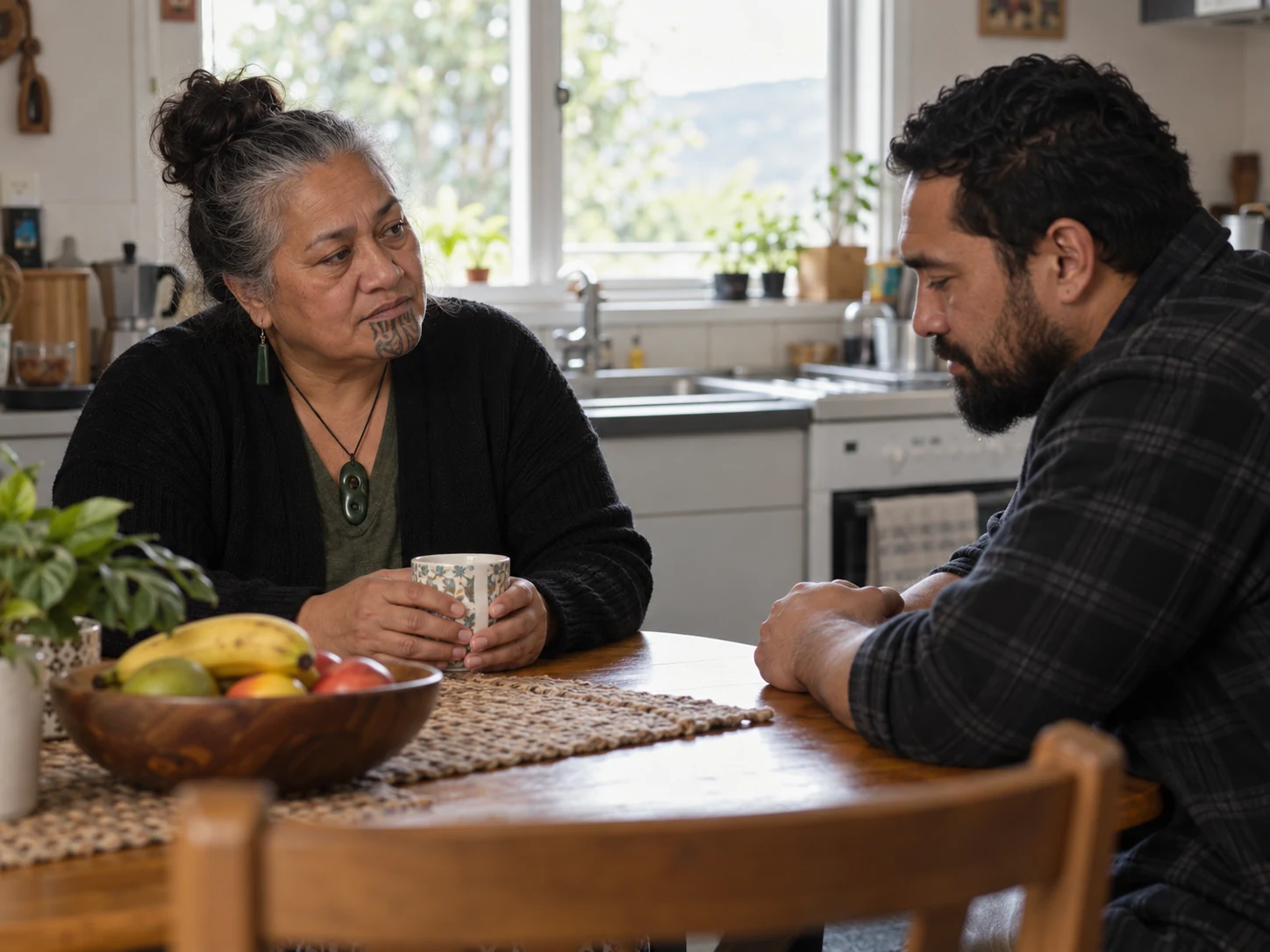
Tamariki can be harmed by hearing threats, witnessing intimidation or living with a frightened caregiver, even without being assaulted themselves. Watch for withdrawal, aggression, disrupted sleep, anxiety, school absences, difficulty concentrating or developmental changes. Unexplained injuries and neglect need particular attention.
Those changes can also follow illness, bullying or bereavement. Listen without interrogating the child, and ask a child or family service for guidance. Children should not be asked to manage an adult’s behaviour.
Family violence can disrupt wider whānau, caregiving and community connections. Whakapapa and whānau relationships may be important sources of support for Māori; Pacific and migrant families may prefer culturally informed or language-specific services. Culture is never an excuse for violence. Childhood exposure can increase later risks, but it does not determine a child’s future.
What healthy family relationships look like in practice
In a healthy relationship, people can disagree, apologise, respect consent and make parenting decisions without threats. Trust does not require shared passwords, and closeness does not require isolation or financial dependence.
Boundaries cover privacy, affection, money and time with whānau. Partners may divide responsibilities differently while retaining equal freedom to make decisions. For children, predictable routines and dependable adults help rebuild safety.
What to do if you recognise warning signs
If there is immediate danger
Call 111 in New Zealand if someone is in immediate danger or a serious incident is happening. Tell emergency services where you are if you can. If it is unsafe to speak during a Police emergency call, remain on the line and follow the call-taker's prompts. If someone has been strangled, seek urgent medical care even if they initially seem well.
If the situation is not an emergency
You can speak confidentially with a specialist without first deciding to leave or make a Police report. Are You OK provides free 24/7 family violence support on 0800 456 450. Women's Refuge provides advocacy and support for women and children on 0800 733 843. For sexual violence, Safe to Talk can be reached on 0800 044 334 or by text on 4334. For non-emergency reporting to Police, use 105.
Consider speaking with someone you trust, making a safety plan with a specialist and keeping essentials accessible when it is safe to do so. A plan may include emergency contacts, transport, medication, important documents and safe places for children. If your phone or internet use is monitored, consider contacting support from a device the other person cannot access. Clearing browser history alone may not remove all traces of activity.
If you are worried about a friend or relative
Ask privately whether they feel safe, listen without judgement and avoid demanding that they leave. Do not confront the person suspected of using violence on their behalf; that can increase risk. Offer concrete help that the person wants, such as transport, childcare or being present while they call a service. Take threats seriously and call 111 if danger is immediate.
If you are concerned about your own harmful behaviour
Recognising jealousy, intimidation, controlling behaviour or aggression in yourself is a reason to seek specialist help and take responsibility for change. An apology alone is not a safety plan. Are You OK can connect people concerned about their use of violence with appropriate support. Do not pressure the affected person to stay, forgive or participate in joint sessions.
Legal protection and practical support in New Zealand
The Family Violence Act 2018 recognises that harmful patterns can involve control over time, not only physical assaults. Depending on individual circumstances, options may include a Protection Order, Police intervention, safety planning and practical assistance. Legal eligibility and the most suitable pathway depend on the situation; seek advice rather than assuming one process fits everyone.
Family violence may involve a current or former intimate partner, a family or whānau member, someone in a shared household, or a person in another close personal relationship. People affected may also face elder abuse, disability-related abuse, dowry-related abuse, coercion involving immigration status or neglect. Specialist services can help navigate overlapping needs such as accommodation, Work and Income support, childcare, employment and safe contact arrangements. For independent information about reporting or legal options, consult New Zealand Police and the Ministry of Justice.
Questions people often hesitate to ask
Does it count as abuse if nobody has hit me?
Yes, a relationship may involve family violence without physical assault. Threats, coercive control, financial restrictions, stalking and psychological or sexual abuse can be harmful. The absence of bruises does not make intimidation safe.
Can a relationship be harmful even if there are good periods?
Yes. Care, affection or apologies do not cancel threats or controlling behaviour. Look at whether safety, freedom and accountability are sustained over time, rather than judging the relationship by its best moments.
What if I am not ready to leave?
You can still seek advice, strengthen your support network and discuss safer options. A specialist can help you plan according to your circumstances. Leaving or announcing separation can sometimes increase danger, so individual safety planning matters.
Can children be affected if violence is directed only at adults?
Yes. Children may be distressed by hearing violence, witnessing fear or living amid unpredictable intimidation. Their reactions vary, and a professional assessment should consider alternative explanations for any behaviour changes.
Is it my job to prove abuse before asking for help?
No. You can seek confidential information because something feels unsafe or controlling. A support worker can help you make sense of events without requiring you to label your experience first.
Getting to a safer next step
Ordinary disagreements may improve through discussion or counselling. When threats, sexual violence or coercive control are involved, seek specialist safety advice rather than attempting to resolve the situation through confrontation.
In an emergency, call 111. Otherwise, confidential support through Are You OK (0800 456 450) can help you consider the next step for yourself, your tamariki or someone you care about.
information: This page is general information, not a personal diagnosis or substitute for clinical advice. Service availability and rules can change. Confirm important details with the provider or regulator.