

Suicidal Thoughts and Crisis Support in New Zealand
Want to talk through a next step?
FIND NEW ZEALAND SUPPORTIf you are having suicidal thoughts, first consider whether you can stay safe right now. If you might act on the thoughts or have already hurt yourself, seek emergency help. Otherwise, you can talk to someone today, even if you are unsure how serious things are. Free support is available by phone and text across Aotearoa New Zealand.
Get help now: choose the right support
If you or someone else may act on suicidal thoughts now, has already been injured, or cannot stay safe, call 111 and ask for an ambulance. You can also go to the nearest hospital emergency department (ED) or contact your local mental health crisis assessment team. If you are supporting another person in immediate danger, stay with them where it is safe to do so until emergency support takes over.

If there is no immediate danger but you need someone to talk to, free call or text 1737 at any time for confidential, brief emotional support from trained counsellors and peer support workers. The 1737 service can help you explore the next step, but it does not replace emergency services when someone is in immediate danger.
- Immediate danger or serious injury: 111, an emergency department or your local crisis team.
- Thoughts of suicide, needing specialist telephone support: Suicide Crisis Helpline / TAUTOKO, 0508 828 865. Check the operator's current availability.
- Emotional distress, loneliness or uncertainty about what to do: free call or text 1737, available 24/7.
- Young people or people worried about a young person: Youthline 0800 376 633 or free text 234, available 24/7.
If making a call feels impossible, send a trusted person a message: “I’m having thoughts about suicide and I don’t feel safe on my own. Can you stay with me and help me get support?” You can show them your phone instead of saying the words aloud.
What suicidal thoughts can feel like
Suicidal thoughts (suicidal ideation) include wishing you would not wake up and thinking about ending your life. They may be brief or persistent. You might feel numb, trapped, ashamed, exhausted or convinced that other people would be better off without you. You deserve support even if you have no plan to act.
These thoughts do not mean you have failed, and they are not a diagnosis. They may occur alongside depression, anxiety, trauma, grief, alcohol or drug use, relationship problems, chronic pain or severe stress. Sometimes there is no clear explanation. One risk factor alone cannot predict what someone will do.
Self-harm does not always involve an intention to die, and having suicidal thoughts does not mean a person will self-harm. Both deserve a careful, compassionate response. A health professional can assess the person’s circumstances and current safety.
What to do if you're having suicidal thoughts
Make the next few minutes safer
When the thoughts feel intense, concentrate on staying safe for the next few minutes. Go somewhere you are not alone, such as a trusted person’s home or a staffed healthcare service. Ask someone to help secure medicines or other items you might use to hurt yourself. Avoid alcohol and recreational drugs, which can make it harder to judge risk and act safely.
Tell someone plainly what is happening. A friend, partner, flatmate, whānau member, trusted colleague, spiritual advisor or community leader may be able to stay with you, listen and help you access professional care. If you feel unable to keep yourself safe, do not rely on breathing exercises, distraction or waiting for the feelings to pass: contact 111 or emergency services.
When the immediate danger has eased
Once you are safe and have arranged support, a familiar activity may ease distress for a while: sitting with a pet, noticing your feet on the floor, having water, or listening to something calming. None of these replaces urgent crisis care.
Tell your GP, nurse practitioner, counsellor, psychologist or mental health team about the suicidal thoughts. You could say, “I’ve been thinking about suicide and I need help staying safe.” Mention any previous attempt, changes in your thoughts, disrupted sleep or substance use. This helps the clinician assess urgency and agree on care.
A personal safety plan you can use
A personal safety plan records the warning signs you recognise, actions that may help, and people or services you can contact. Make it during a calmer period if possible, with a clinician or someone you trust. Keep a copy where you can find it quickly.
- Recognise warning signs: note changes you notice before things become overwhelming, such as withdrawing from whānau, sleeping poorly or feeling trapped.
- Name reasons and connections: record people, places, responsibilities, values or future moments that matter to you, without pressuring yourself to feel positive.
- List manageable coping actions: choose familiar, low-risk activities that sometimes reduce distress, such as sitting with a pet, listening to something calming or moving to a shared space.
- Identify safer people and places: write down who you can contact and where you could go rather than remaining alone.
- Make the environment safer: agree on practical ways to reduce access to things that could be used for self-harm, with help from someone you trust.
- Add professional and emergency contacts: include your GP or treatment team, your regional crisis service, 1737 and 111.
A safety plan does not need to be perfect to be useful, and it is not a substitute for urgent assessment. Review it after significant changes, such as a hospital visit, a relationship loss or renewed suicidal thoughts. The Mental Health Foundation of New Zealand provides planning resources.
Which crisis or mental health service should you contact?
Choose support according to urgency and what you need. Helplines can offer a conversation and explain options; a GP or specialist team can assess symptoms and arrange ongoing care.
| Service | When it fits | How to contact |
|---|---|---|
| Emergency services | Immediate danger, injury or inability to stay safe | 111 |
| 1737 - Need to Talk? | Confidential brief emotional support, including when you are unsure where to start | Free call or text 1737 (24/7) |
| Suicide Crisis Helpline / TAUTOKO | Specialist support when thinking about suicide | 0508 828 865; check availability |
| Lifeline Aotearoa | Emotional distress and mental wellbeing support | 0800 543 354 or text HELP to 4357; service details |
| Youthline | Young people, and people supporting a young person | 0800 376 633 or free text 234 (24/7) |
| Local mental health crisis assessment team | Urgent specialist mental health assessment in your region | Find your regional number |
| GP or primary care provider | Assessment, treatment, follow-up and specialist referrals | Contact your usual general practice |
If a line is busy, closed or not meeting your needs, try another service. If the situation becomes immediately dangerous, use 111 rather than waiting for a helpline reply. Regional crisis service numbers and hours may change, so use the live Health New Zealand directory rather than an old screenshot or saved list.
How to help someone who may be suicidal
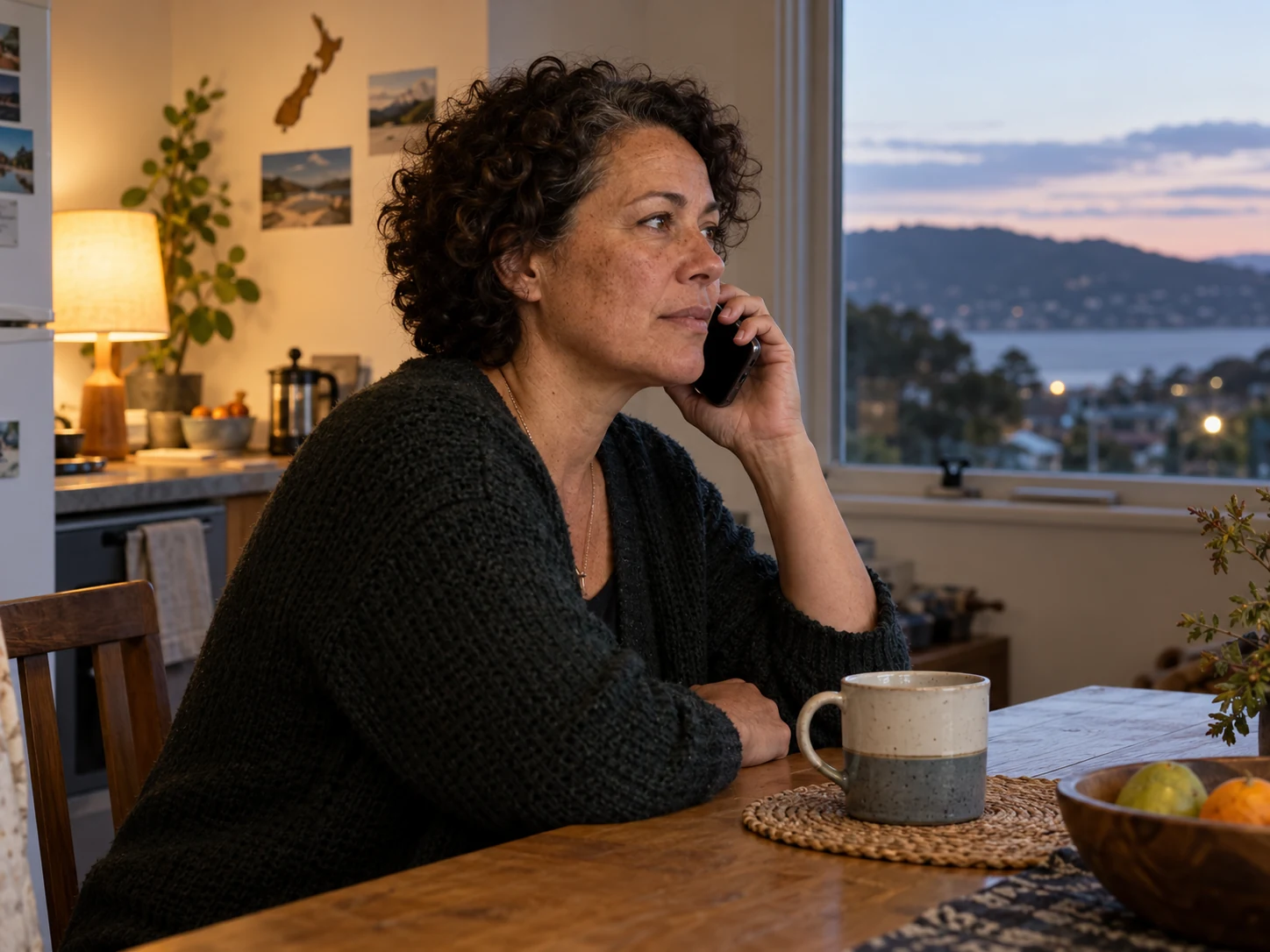
Warning signs can include talking about death, saying others would be better off without them, withdrawing from whānau, giving away treasured possessions, making preparations, or changing sleep, mood or substance use. Some people show few visible signs. Do not wait for a checklist of symptoms before asking if someone is safe.
Ask calmly, “Are you thinking about suicide?” The question does not put the idea in someone’s head. Listen without judgement, take their answer seriously and do not promise to keep a risk to their life secret. You can say, “I’m glad you told me. Who could help us right now?”
Ask whether they feel safe at present and whether they have already harmed themselves. If you think there is immediate danger, call 111, help them reach an emergency department or contact a crisis assessment team. Stay with them if it is safe and practical until appropriate help arrives. If you cannot stay, involve another trusted adult or service rather than leaving the situation unaddressed.
If the danger is not immediate, offer to book or attend a GP appointment with them. Check in again, and ask whether they would like whānau, peer, cultural or spiritual support involved. If you are supporting someone, it is also reasonable to seek advice for yourself while respecting their privacy.
What if you are afraid to tell anyone?
It is common to worry about being judged or losing control of who knows. You can ask a clinician, “What can you keep confidential, and when would you need to tell someone else?” They can explain privacy protections and the circumstances in which they may need to act to prevent serious harm.
If racism, discrimination, bullying, family violence, abuse or identity-related stress affects your wellbeing, ask for someone who understands your experience. Kaupapa Māori services can offer Māori-led, whānau-centred support; Pacific and youth services may be another fit. Cultural support can sit alongside specialist assessment, but it does not replace emergency care.
In a rural area, travelling to a service may be difficult. A phone helpline can help you discuss nearby options; ask your GP about remote appointments and regional referrals. Call 111 if you are unsafe now.
Longer-term recovery and support
Distress can return after a period of improvement. Follow-up care may involve talking therapy, treatment for depression or anxiety, support for substance use, help with housing or finances, or regular appointments. A qualified prescriber should assess whether medication is appropriate.
Health New Zealand's Access and Choice wellbeing services include support in general practice and community-based kaupapa Māori, Pacific and youth services. Availability and eligibility vary by setting; ask a provider about referral requirements. Young people aged 12 to 24 can explore dedicated youth wellbeing services, while anyone can start with a GP or the national 1737 service.
Support may also come from whānau, hapū, iwi, friends, a marae or a cultural community, provided those relationships feel safe. For some people, whakapapa, spirituality, peer connection, time outdoors and everyday routines help sustain hauora hinengaro (mental wellbeing). None should be used instead of emergency help when someone is in immediate danger.
Frequently asked questions
Are suicidal thoughts always an emergency?
Not every suicidal thought requires an ambulance, but every concern deserves attention. Call 111 if you might act, cannot stay safe or have already harmed yourself. Otherwise, contact 1737, someone you trust or your healthcare provider and arrange support.
Can I call 1737 even if I am not sure I am suicidal?
Yes. 1737 offers free, confidential brief emotional support 24/7 for people in New Zealand experiencing distress. You do not need a diagnosis or a particular level of crisis to get in touch.
Will talking about suicide make things worse?
No. Asking about suicide directly does not cause suicidal thoughts. Listen, ask whether the person is safe and contact appropriate help if you are concerned.
What if someone refuses help?
Avoid arguing. Offer to call 1737 together or accompany them to their GP. If there is immediate danger, call 111 even if they do not want help. A crisis team can advise you about what to do next.
What if suicidal thoughts return after treatment?
Use your safety plan, tell a trusted person and contact your treating clinician promptly. Returning thoughts mean your support may need reviewing. If you cannot stay safe, seek emergency help.
Is support available for people grieving a suicide?
Yes. Suicide bereavement can involve complicated grief, guilt, anger, isolation and practical pressures. A GP, counsellor or specialist bereavement service can help. Health New Zealand identifies Aoake te Rā as a service providing brief therapeutic support for people bereaved by suicide.
About this information: This page is general information, not a personal diagnosis or substitute for clinical advice. Service availability and rules can change. Confirm important details with the provider or regulator.